Lorem ipsum dolor sit amet, consectetur adipiscing elit. Ut elit tellus.
“Where the eye meets the brain. Expert diagnosis and care for vision problems related to the nervous system.”
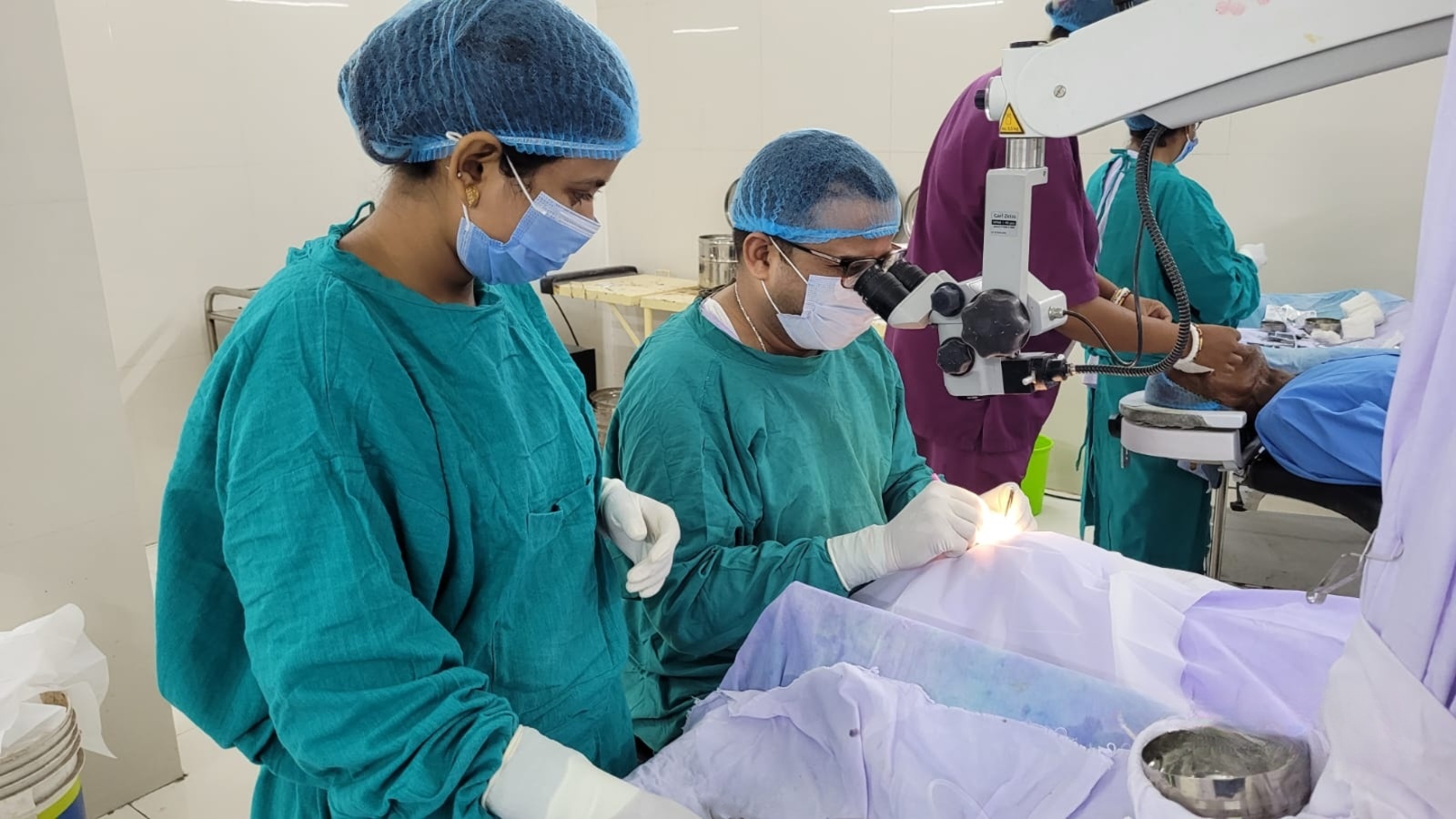
Sometimes, vision loss or eye pain isn’t a problem with the eye itself, but with the optic nerve or the way the brain processes what we see. At Care Vision, we bridge the gap between ophthalmology and neurology to find answers for complex vision issues.
Neuro-ophthalmology is a sub-specialty that focuses on diseases affecting the optic nerve (the “cable” connecting the eye to the brain) and the parts of the brain that control vision and eye movements. If your eyes appear healthy but your vision is still poor or distorted, the cause may be neurological.
Dr. Mukherjee performs a detailed “detective-style” evaluation to find the root cause of your symptoms:
The evaluation itself is completely safe and non-invasive.
Book a Neuro-Ophthalmology Consultation Visit our clinic in Burdwan for a deep-dive evaluation. We are committed to finding the “why” behind your vision changes.
Lorem ipsum dolor sit amet, consectetur adipiscing elit. Ut elit tellus, luctus nec ullamcorper mattis.
(Lorem ipsum dolor sit amet, consectetur adipiscing elit. Ut elit tellus, luctus nec ullamcorper mattis )
Lorem ipsum dolor sit amet, consectetur adipiscing elit. Ut elit tellus, luctus nec ullamcorper mattis, pulvinar dapibus leo.
We are committed to providing the best eye care services in Burdwan. Under the expert guidance of Dr. Amartyajit Mukherjee, we ensure every patient receives personal attention and advanced treatment for a clearer tomorrow.
Visit us at our clinic or reach out via phone or email.
Copyright © 2026 Care Vision Eye Clinic. All rights reserved.